A version of this article was published in the April/May 2026 edition of The DCN.
Modern slavery in supply chains has become an increasingly important issue within broader efforts to address environmental and social governance (ESG) concerns.

Modern slavery in supply chains has become an increasingly important issue within broader efforts to address environmental and social governance (ESG) concerns.

On 30 January 2026, the Office of the Australian Anti‑Slavery Commissioner (OAASC) released its initial position paper outlining recommendations to strengthen Australia’s Modern Slavery Act 2018 (Cth) (MSA).

On Tuesday 27 January 2026, the Anti-Dumping Commission (ADC) released its Day 60 Status Report for Investigation 691, which has been ongoing since its initiation on 25 November 2025.

The announcement by the Chinese government on 1 January 2026, that it was imposing new import quota limits on imports of beef into China, differs from the previous ban on imports of Australia’s exports of beef into China. However, it could impose restraints on Australian beef exports and create additional pressure to complete a free trade agreement (FTA) with the European Union (EU). Even so, there remains a significant threat to Australian beef exports.

The Anti-Dumping Commission (ADC) has initiated Investigation 691, examining alleged dumping and subsidisation of aluminium windows and doors exported from China to Australia.

The logistics and trade industries, like many other industries, are currently undergoing a gradual but accelerating transformation driven by artificial intelligence (AI). From optimising supply chains to enhancing trade routes, AI is revolutionising how goods move across the world.
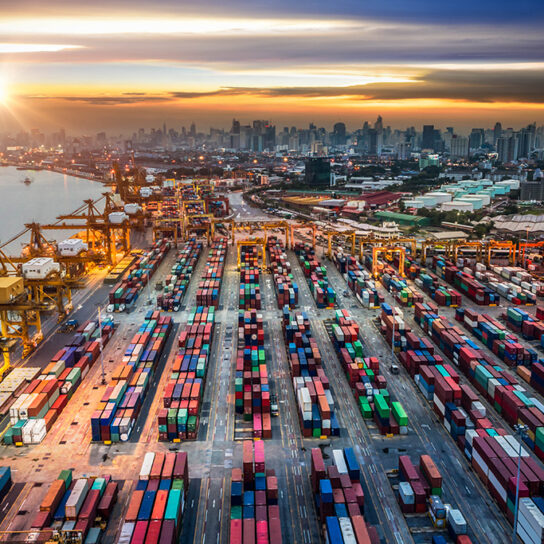
The recent release of the ‘Container Port Performance Index 2020 to 2024 (CPPI)’ by the World Bank Group, prepared by S&P Global, has triggered significant attention.

In earlier commentaries regarding Australia’s FTA deal with the UAE, we provided details of earlier stages of the introduction of the Australia – UAE Comprehensive Economic Partnership Agreement (Australia – UAE CEPA) here.
Following the passage of relevant legislation and other necessary implementation steps, the Australia – UAE CEPA came into effect on 1 October 2025.
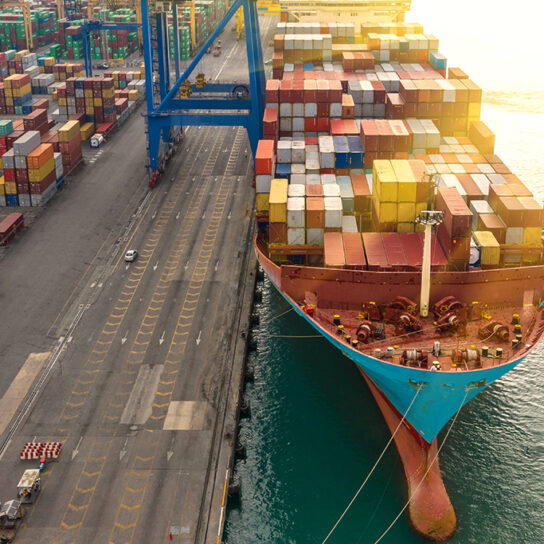
Australia’s experience in dealing with de minimis transactions has been complicated by the recent abolition of the equivalent United States of America (US) process for commercial consignments on 29 August 2025.
International Commercial Terms (Incoterms) are a set of eleven standardised contractual terms published by the International Chamber of Commerce.
They can be incorporated into international trade agreements, but do not constitute a complete contract on their own. In our experience, a common misconception of the parties to a trade agreement is that reference to an Incoterm is sufficient.
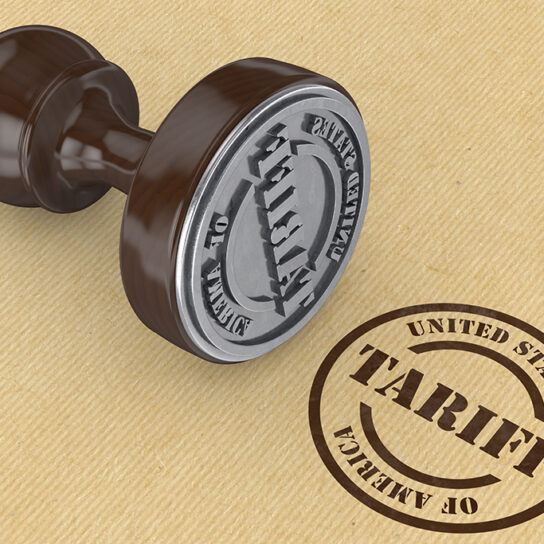
The rest of the world has been waiting with some trepidation for the announcement of the ‘final’ reciprocal tariffs which the US proposed to impose on goods exported from countries on their import into the US.
In our latest Customs & Trade alert, Andrew Hudson breaks down the reciprocal tariffs and the imposition of the new rates.

On 24 July 2025, Australia took a significant step toward strengthening its economic ties with the United Arab Emirates (UAE) by introducing legislation to implement the Australia-UAE Comprehensive Economic Partnership Agreement (CEPA).

Many would be aware that the Australian Federal Government has maintained a clear commitment to fair and open international trade. However, that is not an absolute commitment and is subject to some exceptions that allow Australia to impose measures to protect its legitimate national interests. Those exceptions are often expressly set out in Australia’s Free Trade Agreements.
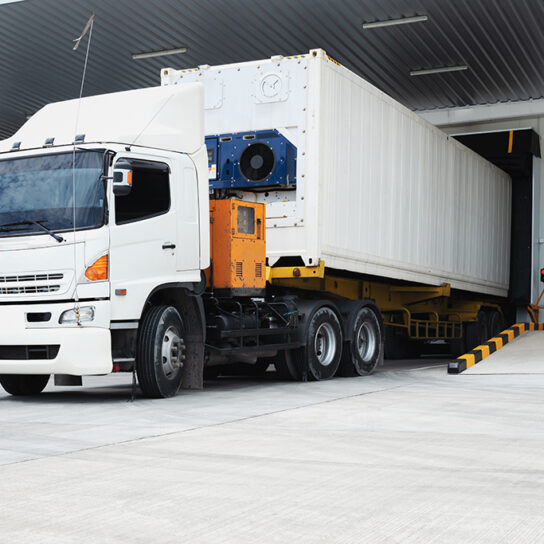
Recent amendments to Australia’s customs laws have made significant changes to who can work in licensed premises — such as warehouses, depots and bond stores — with a strong focus on bolstering supply chain security.
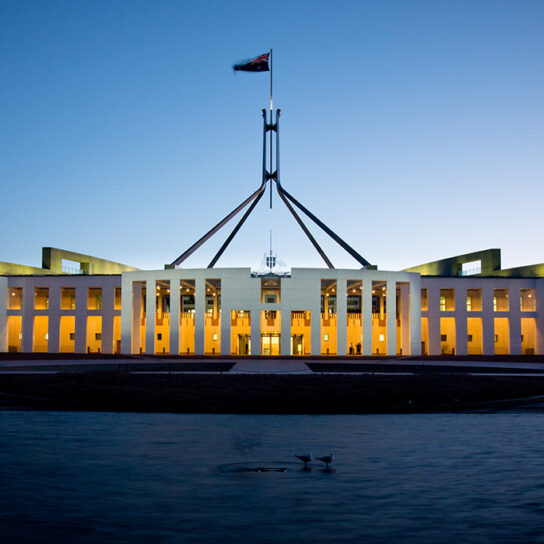
The Australian federal election held on 3 May 2025 resulted in a decisive victory for the incumbent Australian Labor Party (ALP), which not only increased its majority in the House of Representatives but also expanded its presence in the Senate. This strengthened position enhances the ALP government’s ability to pass legislation to advance its policy initiatives.
Following these changes, there will be impacts for certain industries arising from the election.
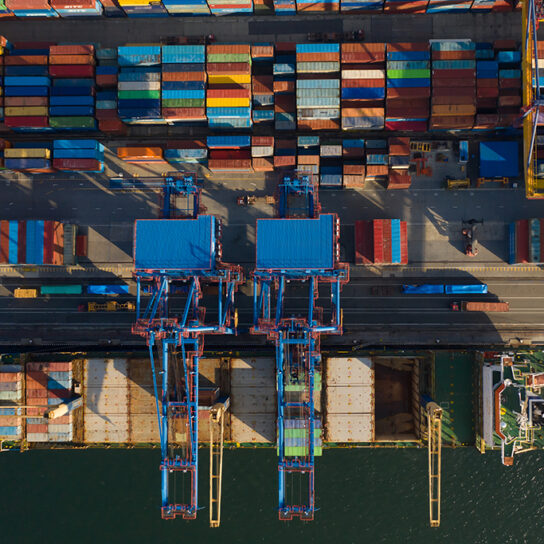
There have been concerns as to the absence of a clear system or rationale for the various measures and policies being introduced, making it impossible to predict future actions by the United States (US). This can be compared to the Australian regime where proposed developments in policy and legislation are somewhat clearer.
In our latest Customs & Trade alert, Andrew Hudson unravels what the US Government’s incoming trade and customs policies could mean for Australia with the current federal election.
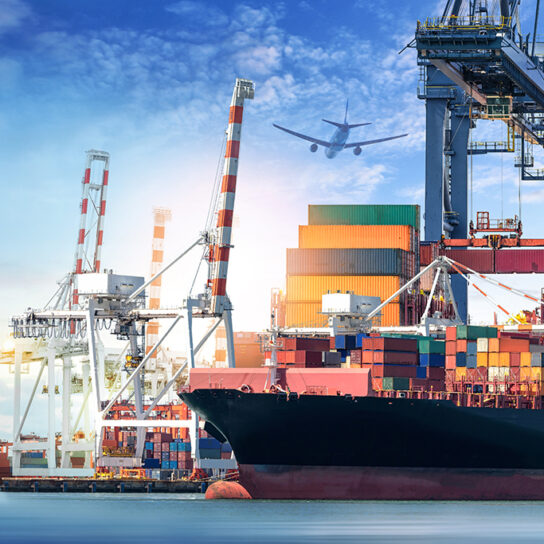
Each year, the global supply chain experiences a series of unexpected disruptions, requiring those in the supply chain to adapt quickly to manage them. In this article, Andrew Hudson reflects on the global supply chain challenges of 2024 that will shape the new year.
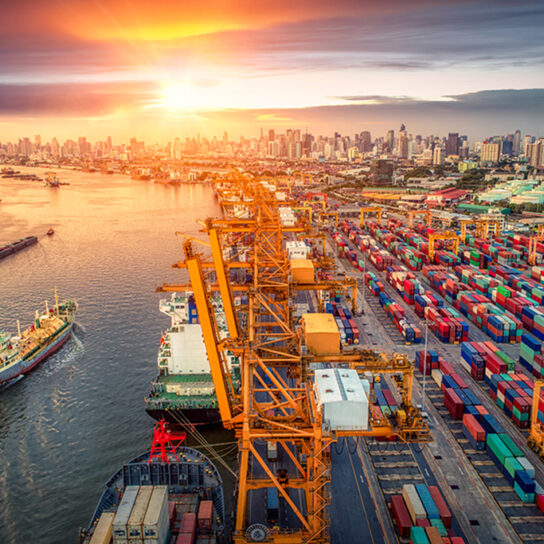
Published by Thomson Reuters’ Practical Law, this Practice Note authored by Andrew Hudson, Partner in our Customs & Trade practice, provides a general overview of key substantive issues to consider when importing goods into Australia, including requirements enforced by the Australian Border Force (ABF) under the Customs Act 1901 (Cth) and related legislation and by the Department of Agriculture, Fisheries, and Forestry (DAFF) under the Biosecurity Act 2015 (Cth) and related legislation.

While heavily regulated, the transport and logistics industry continues to experience increasing and expanded security threats. The most recent threats are cyber threats, smuggling of tobacco, vapes and other illicit substances. Late last year, new legislation was introduced into Parliament that reflects the need for increased security in the transport industry.
The first day of ‘Trump 2.0’ marked a bold re-entry into power. While his inauguration speech reaffirmed his commitment to promises to make America great again, the day itself was filled with significant and controversial decisions that could shape the course of his second presidential term.
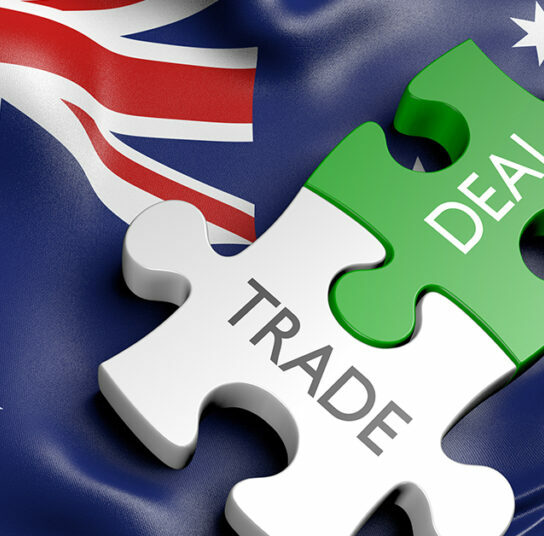
As many readers would be aware, Australia has entered into several free trade agreements (FTA) whether bilateral, regional or plurilateral. Many of the FTAs have led to improvements in trade outcomes, including the recent FTAs with the United Kingdom and the first stage of the FTA with India.
Australia’s experience in dealing with de minimis transactions has been complicated and is now subject to review by industry and border agencies. Andrew Hudson, Partner — Customs & Trade, looks at Australia’s experience in dealing with low-value transactions and practices overseas.

The Australian Border Force (ABF) has introduced new customs broker licensing conditions effective from 1 July 2024. These new conditions placed upon licensed customs brokers (brokers) complement more stringent conditions previously imposed on bonded warehouse and depot licences introduced in November 2022.

Trade law expert Andrew Hudson shares a roundup of matters discussed at recent CPD forums throughout Australia.
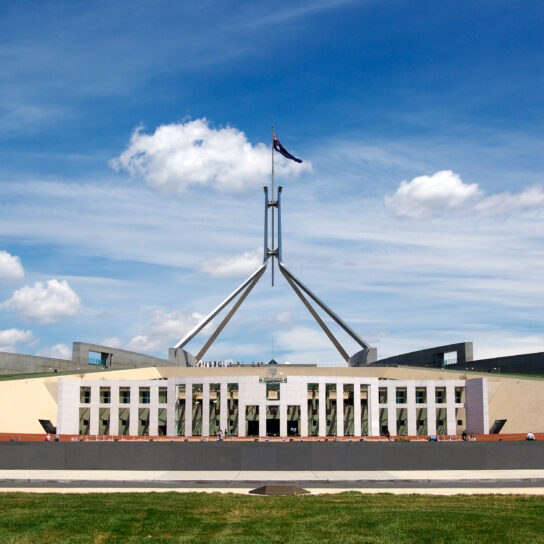
In a significant development for Australia’s administrative review landscape, the Australian Government has unveiled plans to launch the Administrative Review Tribunal (ART) on 14 October, 2024.
This newly established federal body will replace the existing Administrative Appeals Tribunal (AAT), thereby implementing the Labor Government’s election promise to address what were seen as biased political appointments within the AAT.

On 14 May 2024, Treasurer Jim Chalmers delivered the Federal Budget for 2024-25 (Budget) announcing significant measures in relation to trade, biosecurity, infrastructure, logistics and manufacturing.